1. What is an Activated Carbon Filter and How Does the Adsorption Principle Work?
Activated Carbon Filter is a chemical gas and odor absorber filter element with a massive microporous internal surface area, obtained by activating raw materials such as coal, coconut shell, or wood at high temperatures in an oxygen-free environment.
Carbon service life depends on contaminant type, concentration, humidity and operating conditions. Schedule replacement using inlet/outlet gas measurements and, where available, remaining-capacity analysis of media samples. Odour or pressure drop alone cannot establish saturation.
2. Industrial Activated Carbon Filter Types
Depending on the airflow rate, space constraints, and the type of gas to be purified in the facility, activated carbon filters are manufactured in different physical forms:
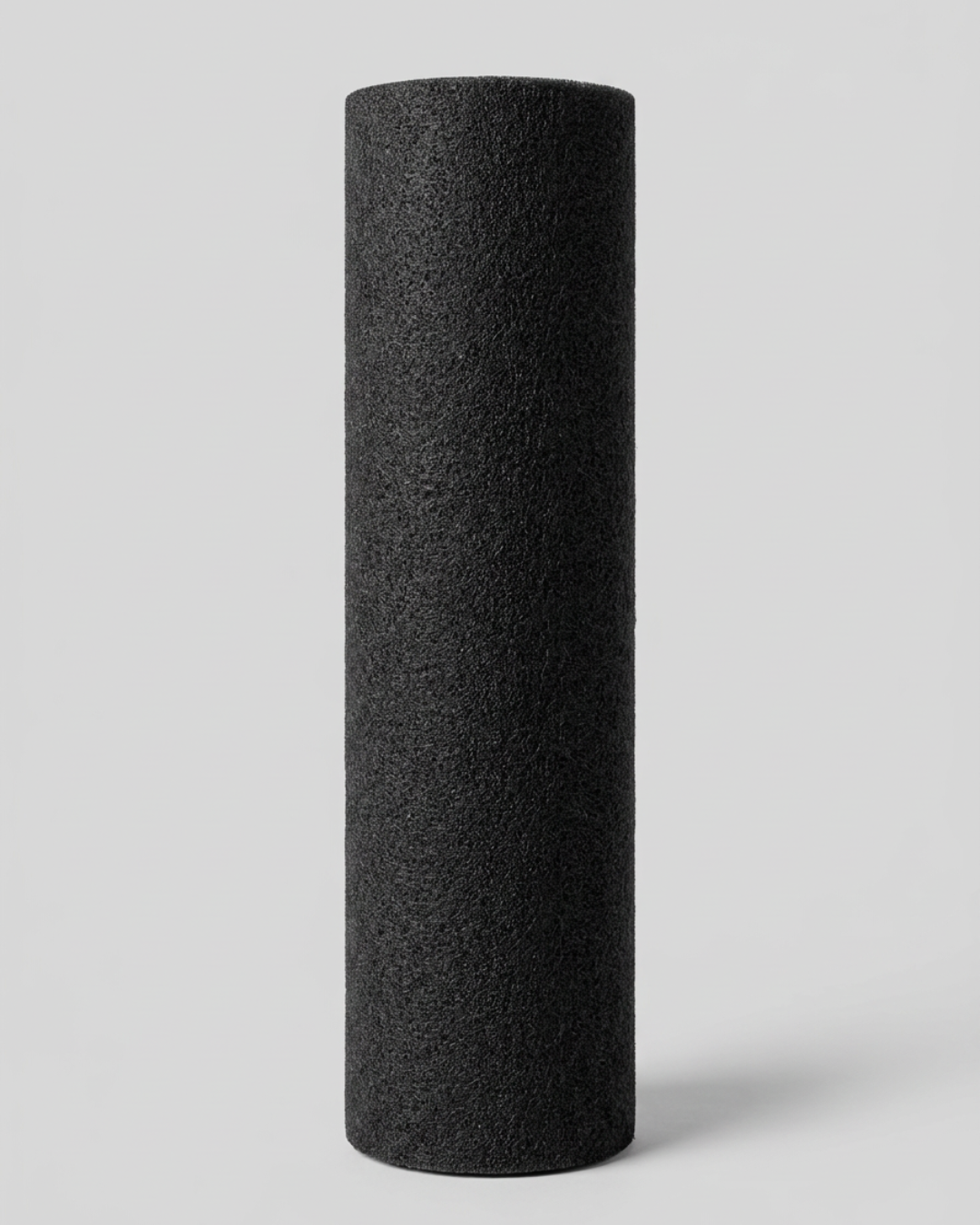
- Cylindrical Activated Carbon Cartridges: Consist of pelletized activated carbon filled inside galvanized perforated sheets. Installed on special cassette mounting plates using a 3-bayonet lug system. They offer high contact time and easy replacement advantages.
- Refillable Granular Carbon Beds: Systems created by filling bulk granular carbon into special air duct hoppers in heavy industry plants with dense gas emissions.
- Activated Carbon Impregnated Panel Filters: Practical cassette filters impregnated with activated carbon powder on fiber or sponge, used in ventilation units with low odor and gas concentration.
3. Activated Carbon Filter Technical Data Table
Below are technical parameters compliant with environmental regulations and your facility's air purification standards:
| Technical Parameter | Measurement / Standard Value | Description & Industrial Importance |
|---|---|---|
| Carbon Tetrachloride (CTC) | 60% - 80% (ASTM D3467) | Determines the gas adsorption capacity and quality of carbon |
| Iodine Number | 900 - 1050 mg/g | Indicator of micropore volume and internal surface area |
| Pellet Diameter / Grain Size | 3.0 mm - 4.0 mm Pellet | Provides low air resistance and optimum contact time |
| Cylinder Diameter and Size (Standard) | Ø145 x 400 mm / Ø145 x 600 mm | Standard size suitable for industrial cartridge plate mounting |
| Recommended Contact Time | 0.1 - 0.2 Seconds (Minimum) | Contact time required for gas to adhere to the carbon surface |
| Maximum Operating Temperature | 60°C (Gases may be released back at high temperatures) | Limit to prevent thermal desorption and fire risk |
| Critical Operating Humidity | < 70% Relative Humidity (RH) | To prevent water molecules from clogging the pores |
4. Sectoral Application Areas and Gas Capture Performance
Efe Boyahane Activated Carbon Filters are the definitive solution for preventing organic solvent vapors and heavy odors spreading to the environment:
- Wet Paint and Spray Booths: Purification of thinner, xylene, toluene, acetone, and paint solvent vapors before they are discharged through the exhaust stack.
- Chemical and Plastics Industry: Trapping VOCs and sulfurous/nitrogenous gases arising from injection, melting, and reactor processes.
- Printing and Press Facilities: Suction of ink, printing solvents, and drying oven exhaust gases.
- Industrial Kitchens and Restaurants: Elimination of heavy cooking, grill, and grease odors generated in chimney installations.
- Wastewater Treatment and Foundries: Neutralization of hydrogen sulfide (H2S), ammonia, and organic waste odors.
5. Key Guidelines in the Use of Activated Carbon Filters
To ensure long life and efficient operation of your activated carbon system, these 3 basic criteria must be followed:
- Dust Protection (Pre-Filtration): Coarse and fine dust collector filters (G4 + F7/F9) must be placed before the activated carbon. If dust in the air coats the carbon surface, the gas-holding capacity stops instantly.
- Humidity Control: If the humidity rate in the facility exhaust is above 70%, moisture molecules fill the carbon pores. In humid lines, the air must be pre-dried or heated.
- Temperature Limit: In air exceeding 60°C, activated carbon may begin to release trapped gases back (desorption). Therefore, cooling units should be used in hot oven lines.
6. Frequently Asked Questions (FAQ)
How many months should an activated carbon filter be replaced?
Carbon service life depends on contaminant type, concentration, humidity and operating conditions. Schedule replacement using inlet/outlet gas measurements and, where available, remaining-capacity analysis of media samples. Odour or pressure drop alone cannot establish saturation.
Do solvents or gases trapped in the filter pose a fire risk?
When activated carbon adsorbs large amounts of organic solvents, grounded galvanized cylinders should be used against the risk of static electricity or overheating. For facility safety, spark arrestors and temperature sensors are recommended before the carbon.
Should I choose a cylindrical carbon cartridge or a cassette carbon filter?
Cylindrical cartridges should be preferred in spray booth exhausts with high odor concentration and high airflow because of their larger carbon mass. Cassette carbon filters are suitable only for ventilation lines with light odor and low airflow.
Do you manufacture custom-sized cartridges according to our existing filter holding cassettes?
Yes. As Efe Boyahane, we manufacture cylindrical cartridges and fixing lugs fully compatible with the mounting plate dimensions of your existing air handling unit or filter cell.